Industries
Waste and recycling buildings
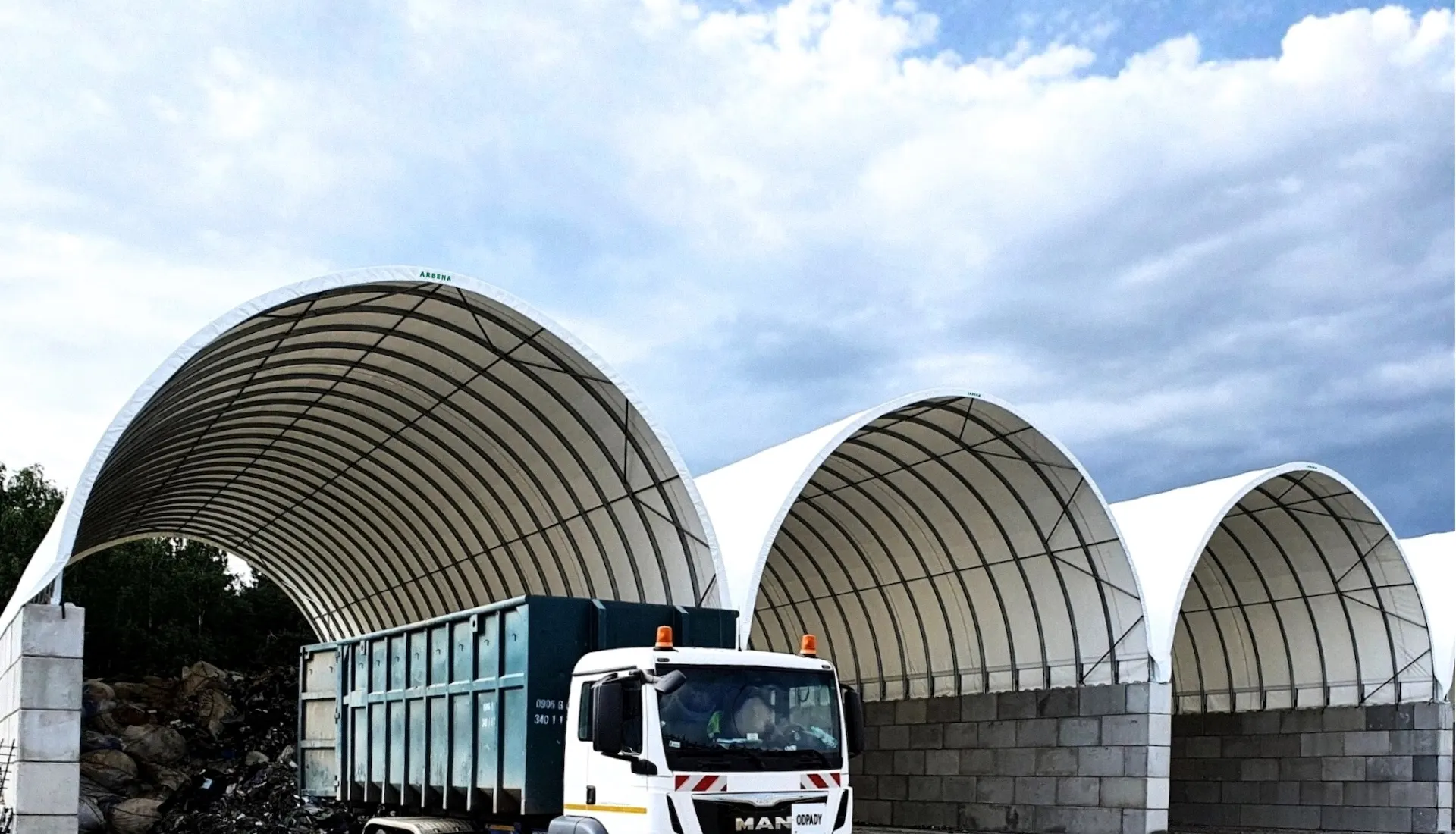
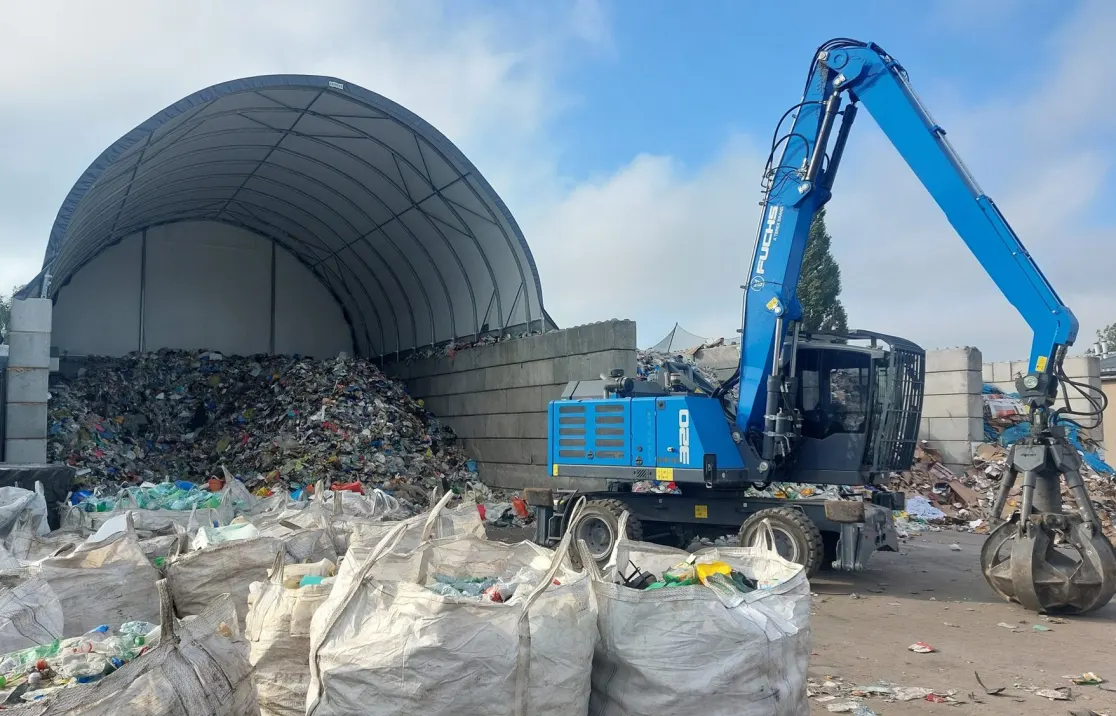
Waste reception, sorting and recycling facilities need covered space for material flow, handling equipment and work zones. ARBENA engineers steel-framed fabric buildings for sorting, transfer and storage operations, with layouts adapted to the site and material being processed.
Clear internal spans, a protected steel frame and the right level of enclosure can help organise operations. Fire safety, ventilation, odour management and environmental permit conditions remain project-specific design requirements.
Why corrosion matters in waste facilities
Moisture, salts, dust and substances released from stored material can create a demanding environment for steel structures. There may also be mechanical contact from loaders and impacts around loading and tipping areas.
The facility must accommodate receiving, sorting, stockpiling and dispatch. The required openings, separation of zones, floor construction and fire strategy depend on the waste streams, processes and local authorisations.
How we protect the structure and organise the space
We combine site-specific structural design with a practical plan of the handling process. The waste category must be defined before the technical specification.
Magnelis® coated HX420 steel in demanding environments
Current ARBENA solutions use HX420 structural steel and Magnelis® corrosion protection. The material specification and maintenance plan must be checked against the particular atmosphere and any direct chemical exposure; no coating is universally immune to corrosion.
Clear spans for loaders, tipping and material flow
A column-free interior makes it easier to separate reception, sorting and stockpiling zones. Gates, clear height and protective concrete walls are considered according to loader size, material pressure and vehicle movement.
What the ARBENA structure brings to the site
Purpose-planned circulation
Clear routes for loaders, delivery vehicles and separated processing zones.
Protected structural steel
Magnelis® coating improves protection of current steel components when correctly specified for the environment.
Enclosure to match the process
Open, semi-open or closed layouts examined together with ventilation and emission controls.
Calculated anchoring
Structural calculations account for the location and adopted snow and wind loads.
Typical parameters to define
A waste or recycling building cannot be specified safely from width and length alone. The type of material and permit conditions must also be known.
| Parameter | Project specification |
|---|---|
| Waste stream | Material type, moisture, dust, odour potential and any special hazards. |
| Operating process | Reception, sorting, shredding, transfer, stockpiling or dispatch. |
| Working volume | Required clear span, clear height, machinery and vehicle routes. |
| Base and protection | Suitable floor, engineered retaining walls or barriers if material pressure/impacts occur. |
| Corrosion exposure | Atmosphere and chemical contact assessed for coating and maintenance strategy. |
| Fire and ventilation | Defined by the waste category, operational risk assessment and applicable requirements. |
| Frame and membrane | Structural steel with protective coating; membrane choice and fire performance selected for the project. |
Where the building can be used
Sorting and material recovery
Covered handling and segregation areas planned around sorting equipment and collection vehicles.
Waste transfer stations
Protection for reception and short-term storage where the operational permit allows it.
RDF, compost-related and recyclable material storage
Specialised applications requiring assessment of fire load, moisture, ventilation and environmental conditions.
Project references
The most useful reference is a facility handling a comparable waste stream with similar operating vehicles and environmental conditions. ARBENA project examples can support discussions about spans, access and enclosure.
Any case study published here should identify the actual waste process and the scope delivered; it should not imply general approval for all waste classes.
Explore building types and technology
Tell us about your site
Describe the waste stream, operating process, equipment, location and whether the building will be open or enclosed. Include the available plot and any relevant permit conditions.